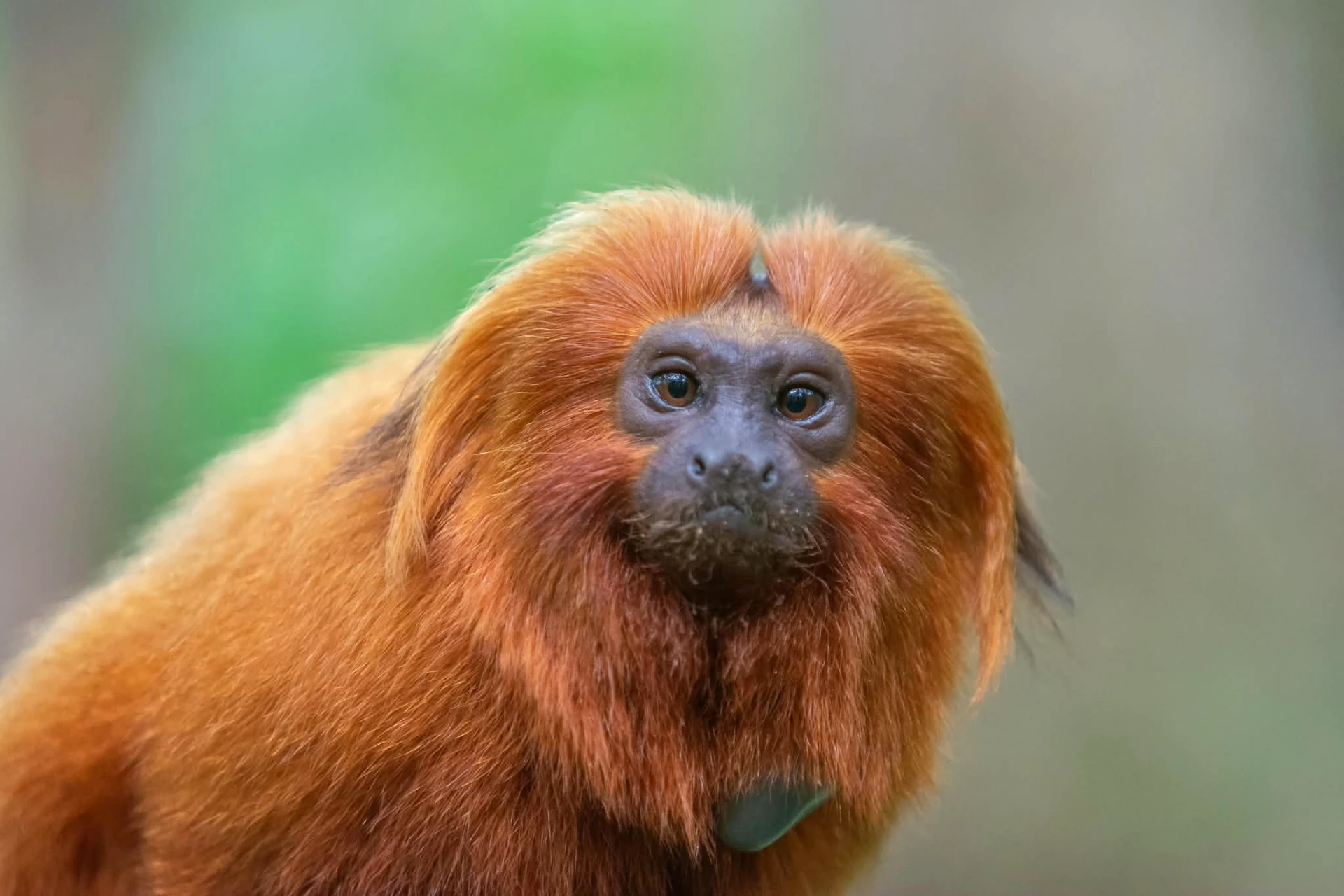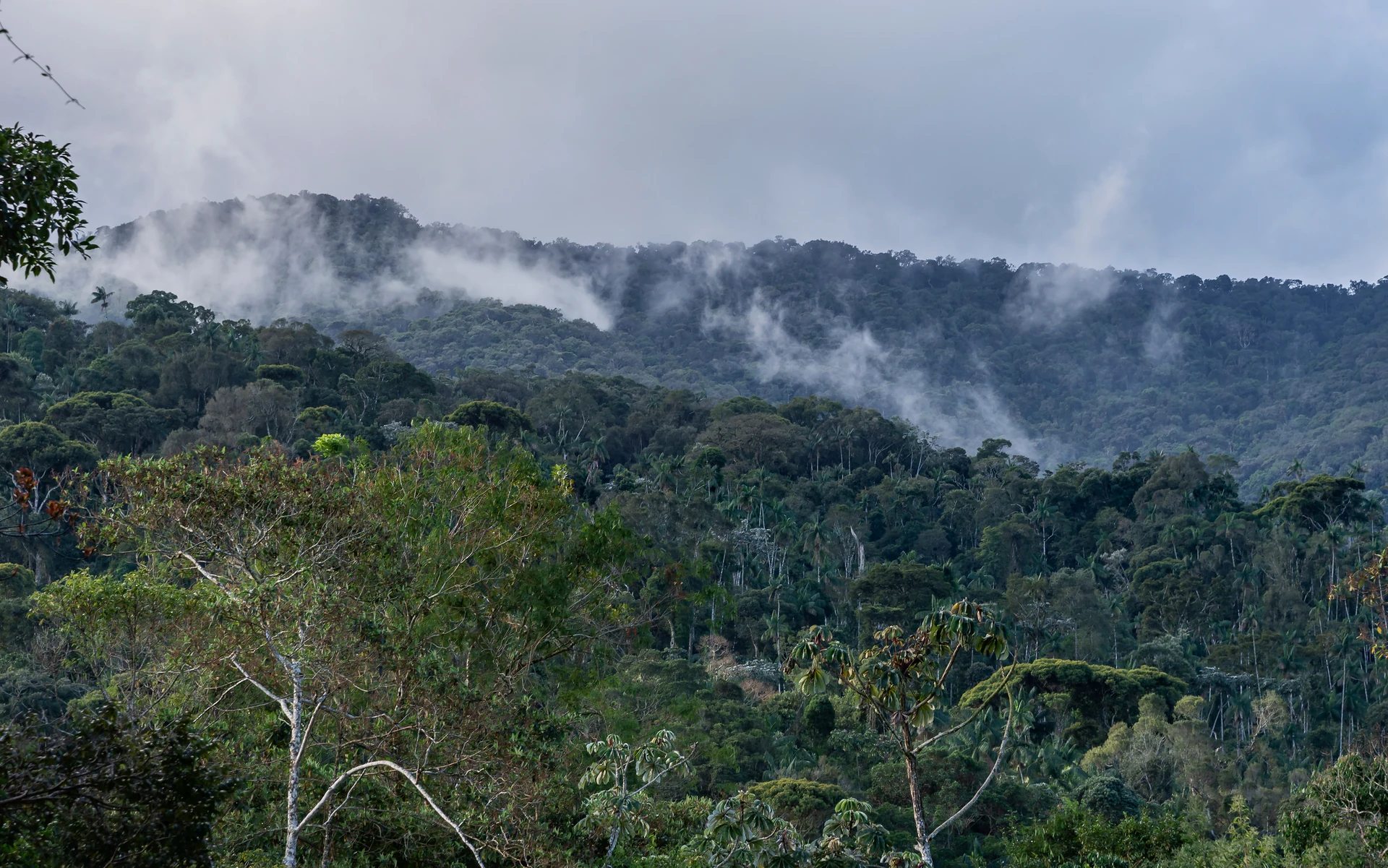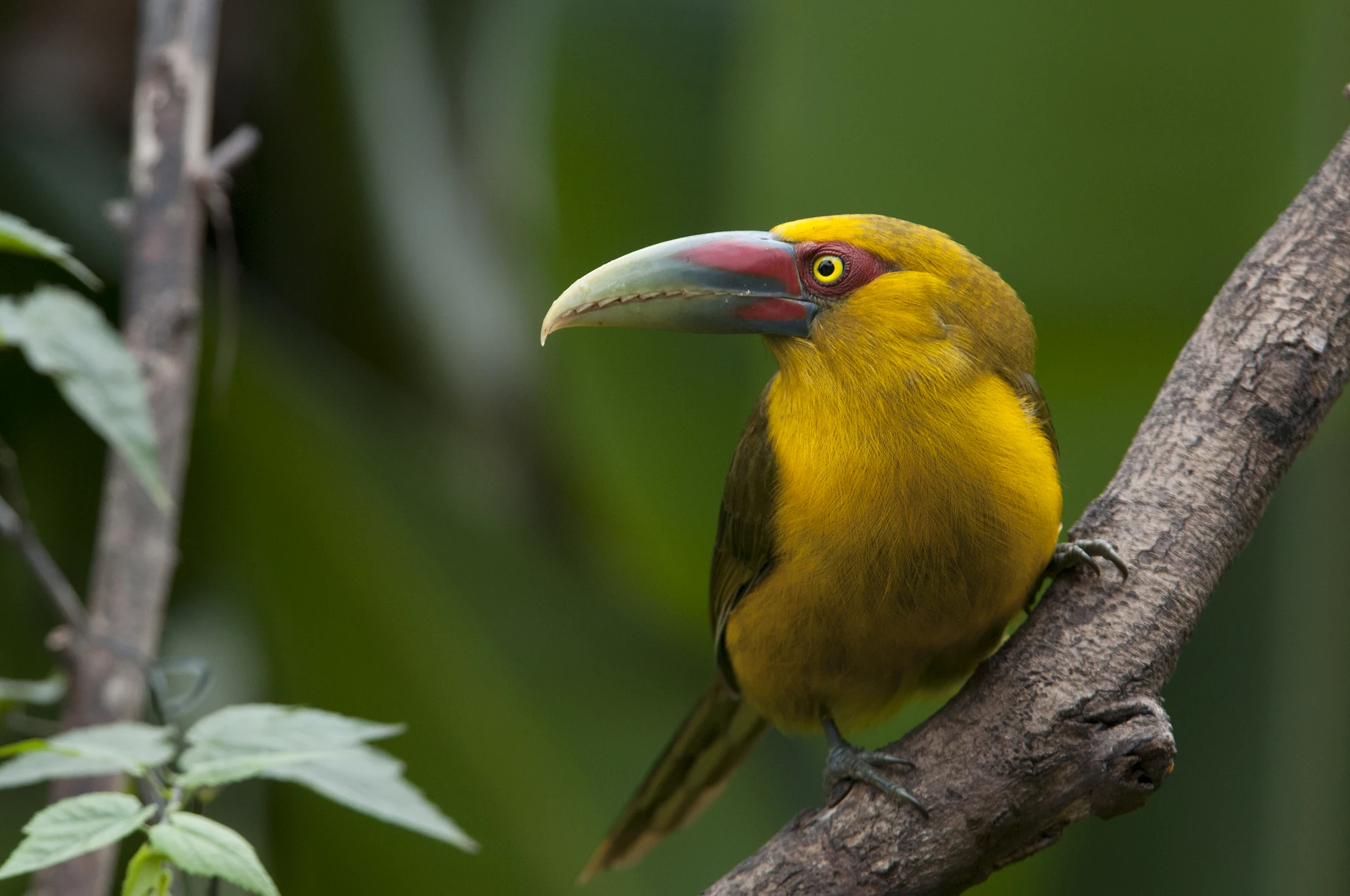
The Atlantic Rainforest is simultaneously one of the world’s most beautiful and most demanding photography destinations. The light is cathedral light — shafts, mist, backlit leaves — but it lasts minutes. The subjects are spectacular but fast, small, and often forty metres up. Success here is not about gear. It is about choreography.
Rule one: the forest pays the early. Dawn mist burns off within the hour, and with it goes the most atmospheric light of the day — those god rays through the canopy that define Atlantic Rainforest photography. We are on the trail in the dark. Always.
Rule two: work the edges. Deep interior forest is dim and cluttered; the clearings, wetlands and forest borders are where light and animals meet. REGUA’s wetlands at first light — herons, capybaras, raptors coming in to hunt — offer frame-filling action at workable shutter speeds. The tamarin forests give you the opposite discipline: small subjects, dense green, and the need to trust your guide’s prediction of where a family will cross.
Rule three: let the forest compose for you. Bromeliads framing a tanager, a toucan silhouetted against a stormy sky, the night forest lit by a single torch — the Atlantic Rainforest offers ready-made frames to photographers who wait. Our photography-focused journeys build in exactly that: time. Vehicles that stay. Guides who understand that the shot matters more than the schedule.
And a note on ethics: no baiting, no playback abuse, no off-trail pursuit. The forest’s subjects are wild and staying that way is the entire point. The best photograph here is the one the animal gave you freely.
✦ Sources & further reading
- Cornell Lab of Ornithology — eBird — species frequency data used by photographers to plan Atlantic Forest shoots · ebird.org
- Macaulay Library — Cornell Lab of Ornithology — the world's largest archive of wildlife media, for reference images and sound · www.macaulaylibrary.org