A fragment of forest, however well protected, is an island — and islands lose species. A wildlife corridor is the answer: a bridge of living habitat, planted and protected, that reconnects the islands so animals can move, genes can flow, and the whole becomes larger than its fragments.
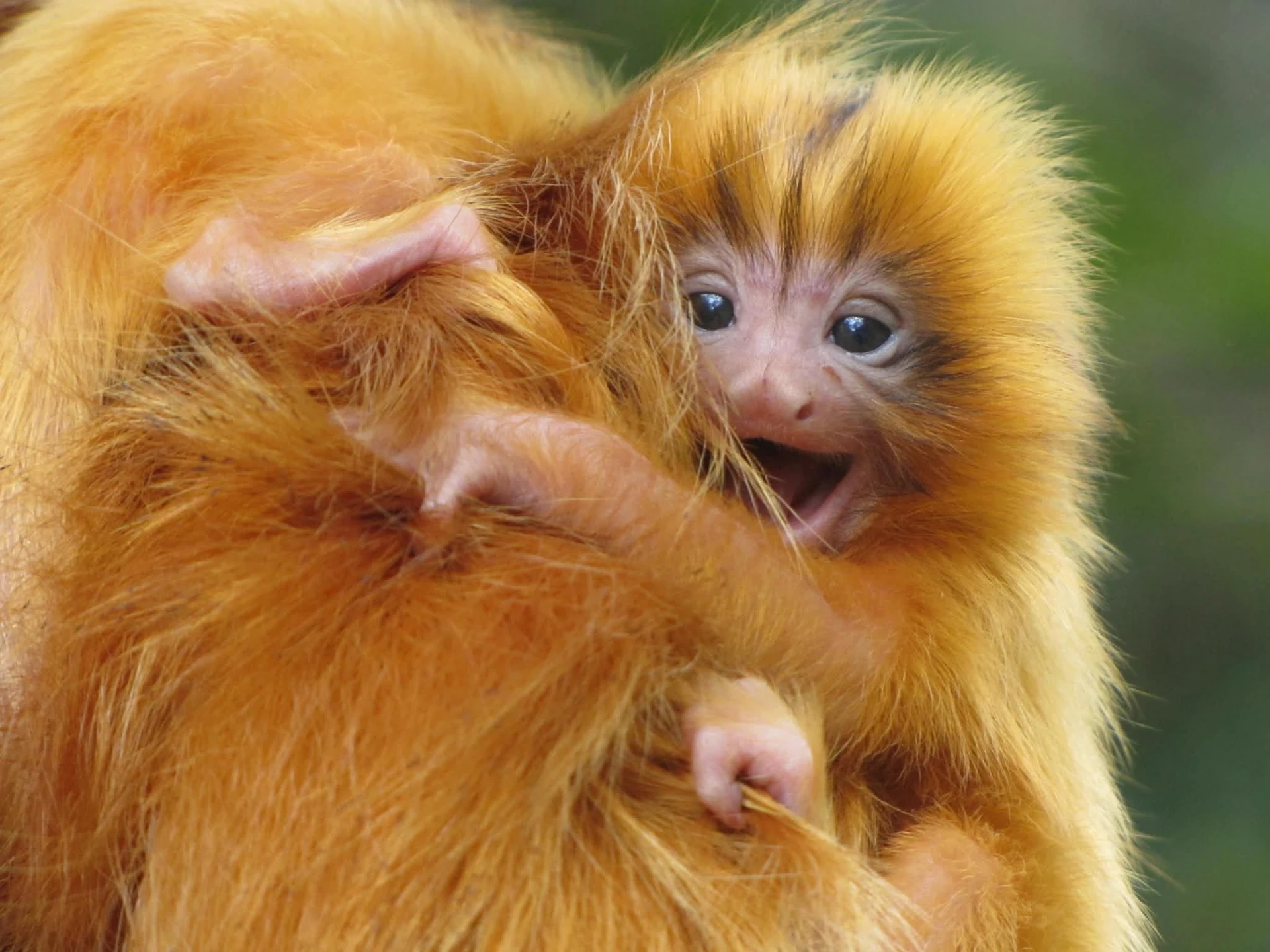
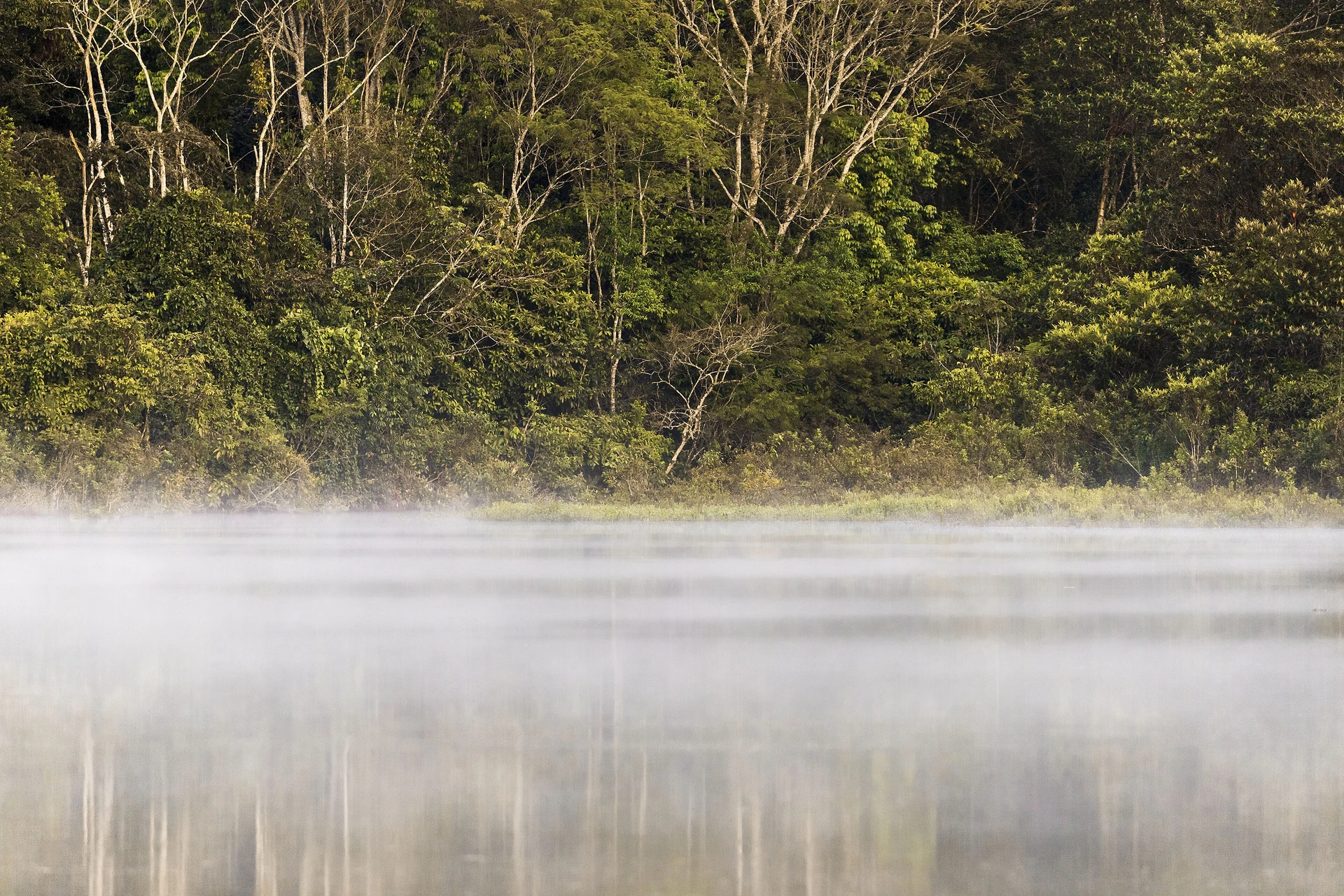
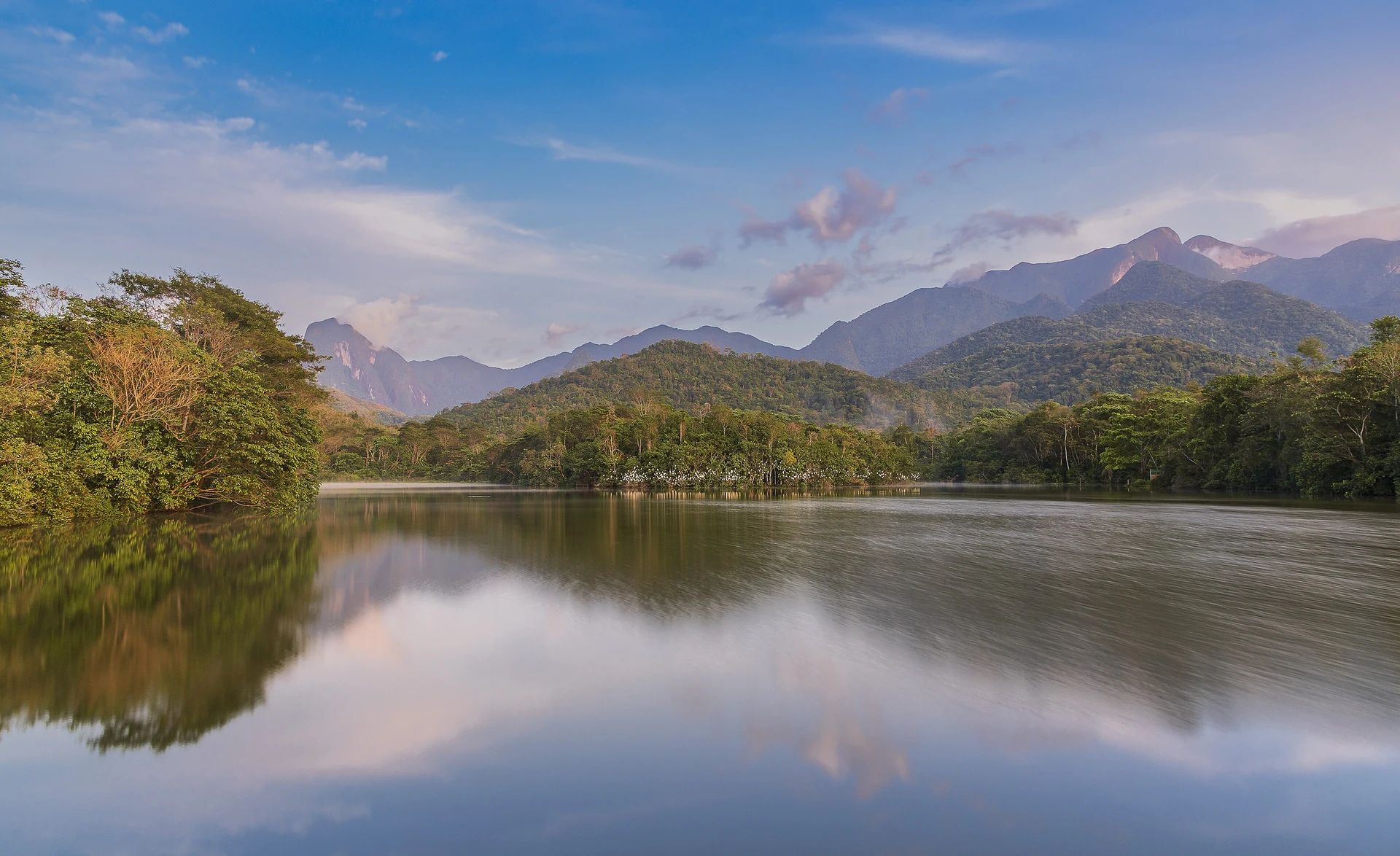
In the lowlands of Rio de Janeiro State, this is not theory. Corridors now link the tamarin reserves of Silva Jardim; at REGUA, a former cattle ranch has been reforested into a continuous forest-wetland complex; and along the mountains, protected areas are stitching themselves into a chain from the city to the high peaks. Conservationists call it the Living Corridor. We built our journeys along its spine.
This changes travel in a practical way. A corridor is not a park with a gate; it is a landscape — farms, reserves, restored ridges — where the presence of wildlife is the scorecard of a decades-long project. Travelling through it, you are not visiting exhibits. You are reading a story mid-chapter: here a hillside planted in 2011, there the first tamarin group to cross it, there a wetland where the water came back.
And there is a final, quiet privilege: corridors are built tree by tree, and guests of the Origins journeys can add one — a native species, coordinates recorded, growing now in your name. Few souvenirs weigh less and mean more.
✦ Sources & further reading
The corridors described here are ones our journeys cross — planted by institutions we have worked alongside for years.
- Associação Mico-Leão-Dourado (AMLD) — the golden lion tamarin corridor programme — the example this article follows: fragments reconnected by planted forest · www.amld.org.br
- World Land Trust — Atlantic Forest, Brazil — corridor and restoration projects across the biome, including REGUA's 624,000+ planted trees · www.worldlandtrust.org/project/atlantic-forest