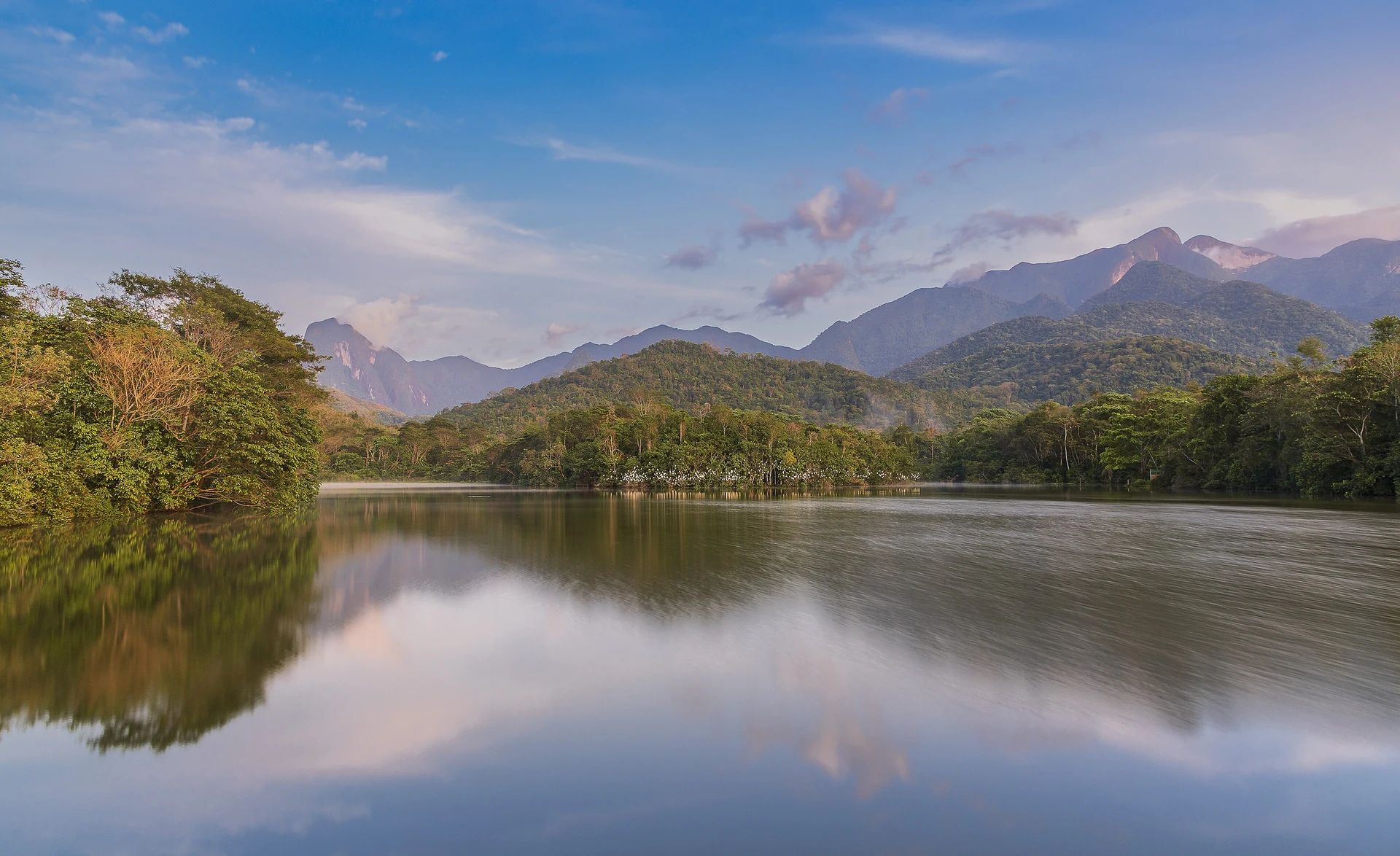
Not long ago, the Guapiaçu valley was pasture — a cattle farm like thousands along the tired foothills of Rio de Janeiro State. Today it is REGUA, one of the most celebrated private reserves in Brazil, and the living proof that the Atlantic Rainforest can be not only defended but rebuilt.
The method was patience with a plan. Hillsides were replanted with native species — tens of thousands of trees, chosen to rebuild a functioning forest rather than a plantation. A drained wetland was re-flooded, and the water brought back its citizens: herons and egrets first, then capybaras, then the raptors and kingfishers, then, quietly, the rarities that ornithologists drive across countries for.
The bird list is now REGUA’s fame: hundreds of species recorded, from wetland specials to forest endemics, with the lowland forests above the wetlands adding the tamarins, trogons and toucans. Birdwatching tours from four continents now put Guapiaçu on the same itinerary as far older parks.
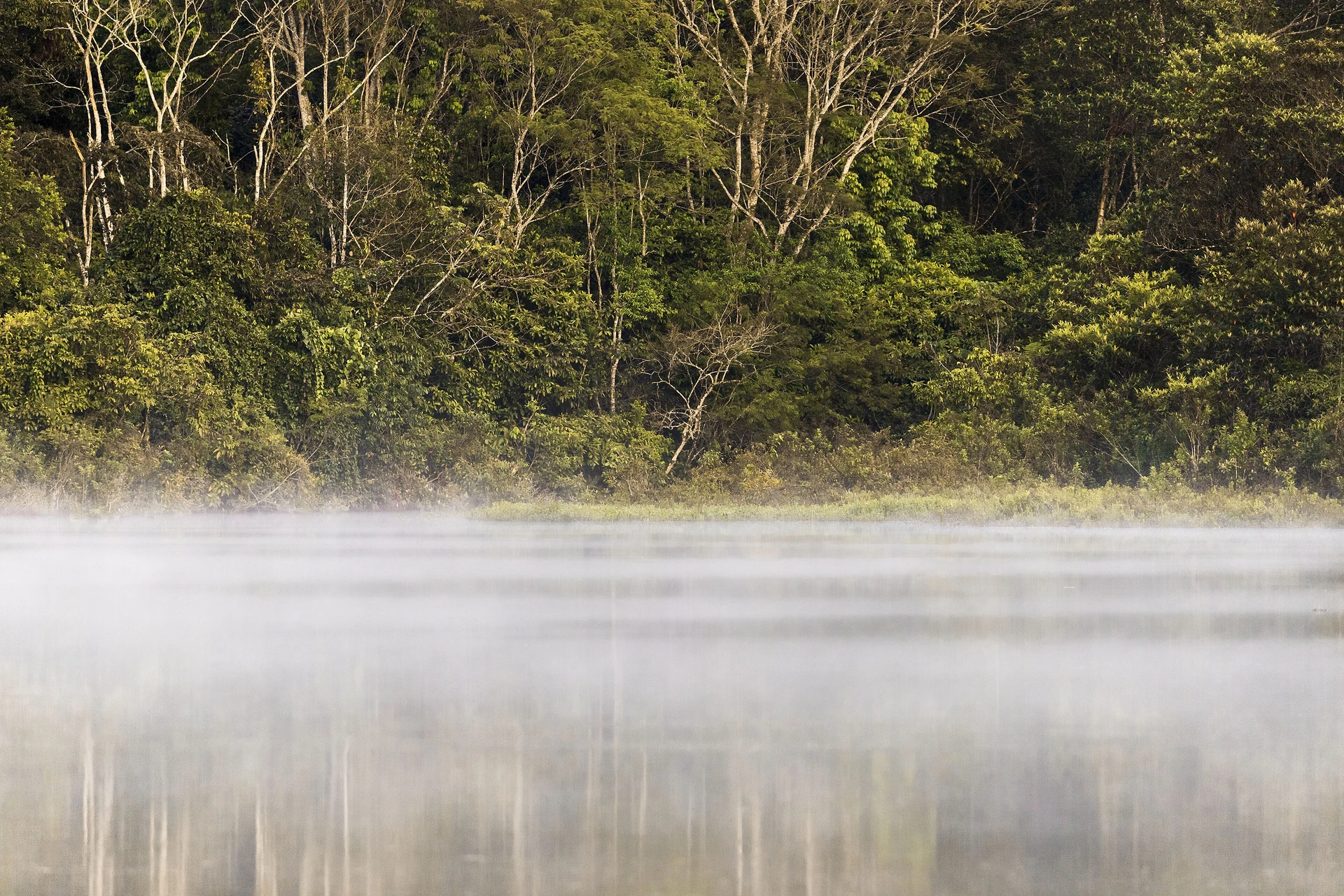
What moves guests most is not the scale but the date. This was a farm. People alive today remember it as pasture. Standing at the wetland edge at dawn, watching the mist lift off a landscape that did not exist thirty years ago, you understand that restoration is not nostalgia. It is a decision — and it works.
✦ Sources & further reading
REGUA is part of our journeys, and we have worked alongside its team for years.
- Reserva Ecológica de Guapiaçu (REGUA) — the reserve itself — founded by Nicholas and Raquel Locke, who turned a farm in the Guapiaçu valley into one of Brazil's great restoration stories · regua.org
- World Land Trust — Atlantic Forest, Brazil — REGUA's long-time partner: 11,274 ha protected, 624,000+ native trees planted, lowland tapirs reintroduced · www.worldlandtrust.org/project/atlantic-forest
- Rainforest Trust — partner in expanding the reserve to safeguard Atlantic Forest habitat · www.rainforesttrust.org