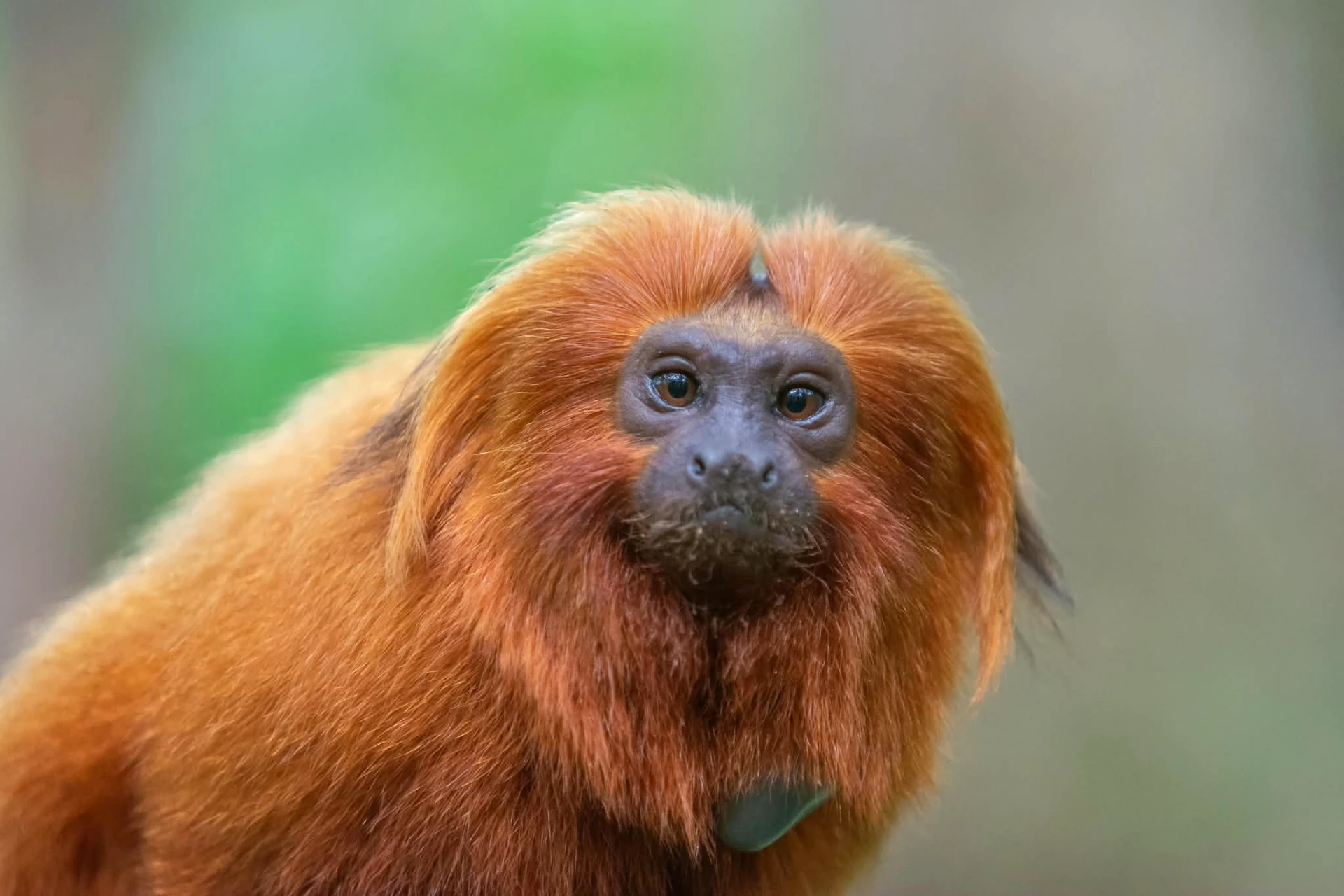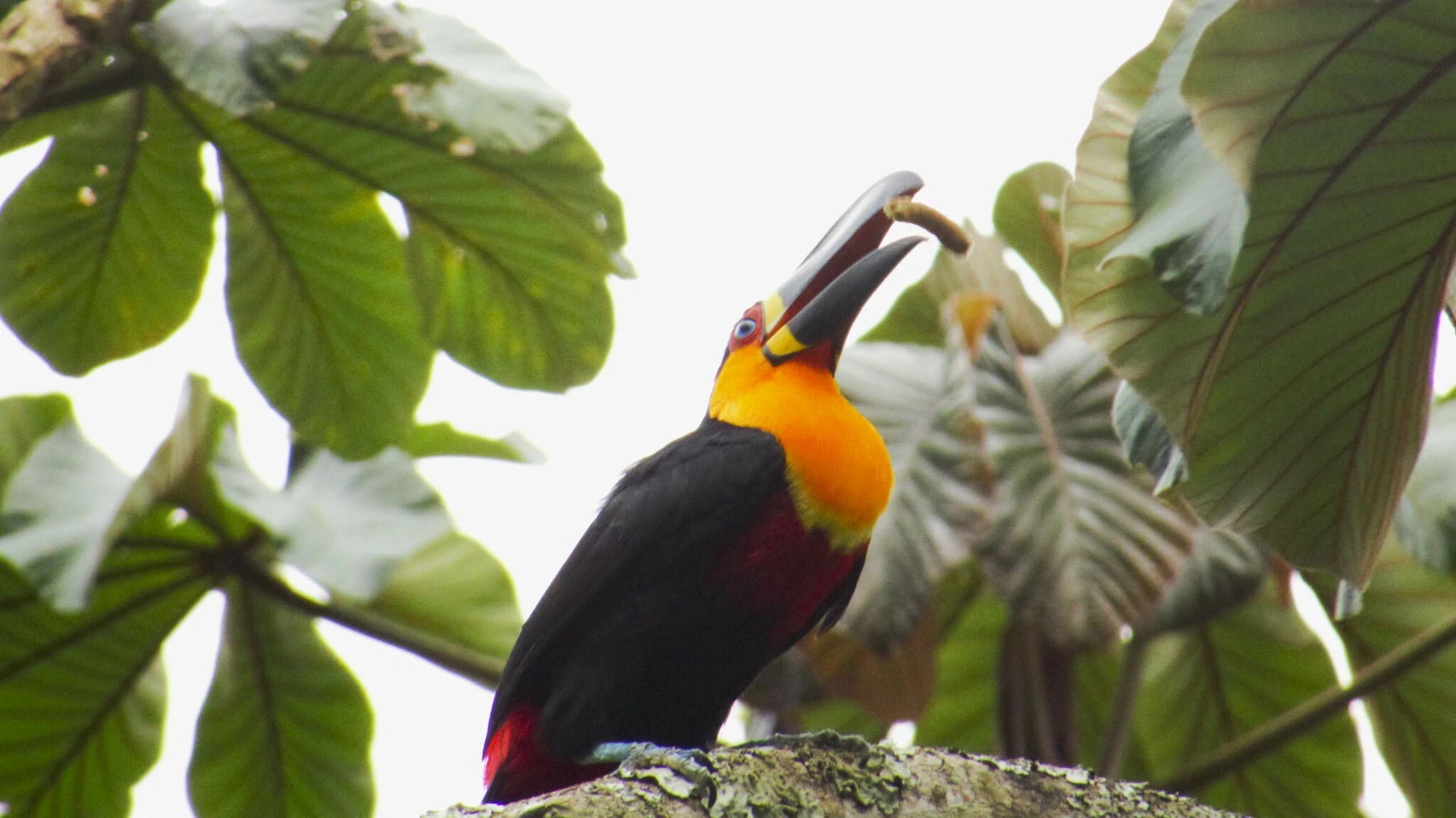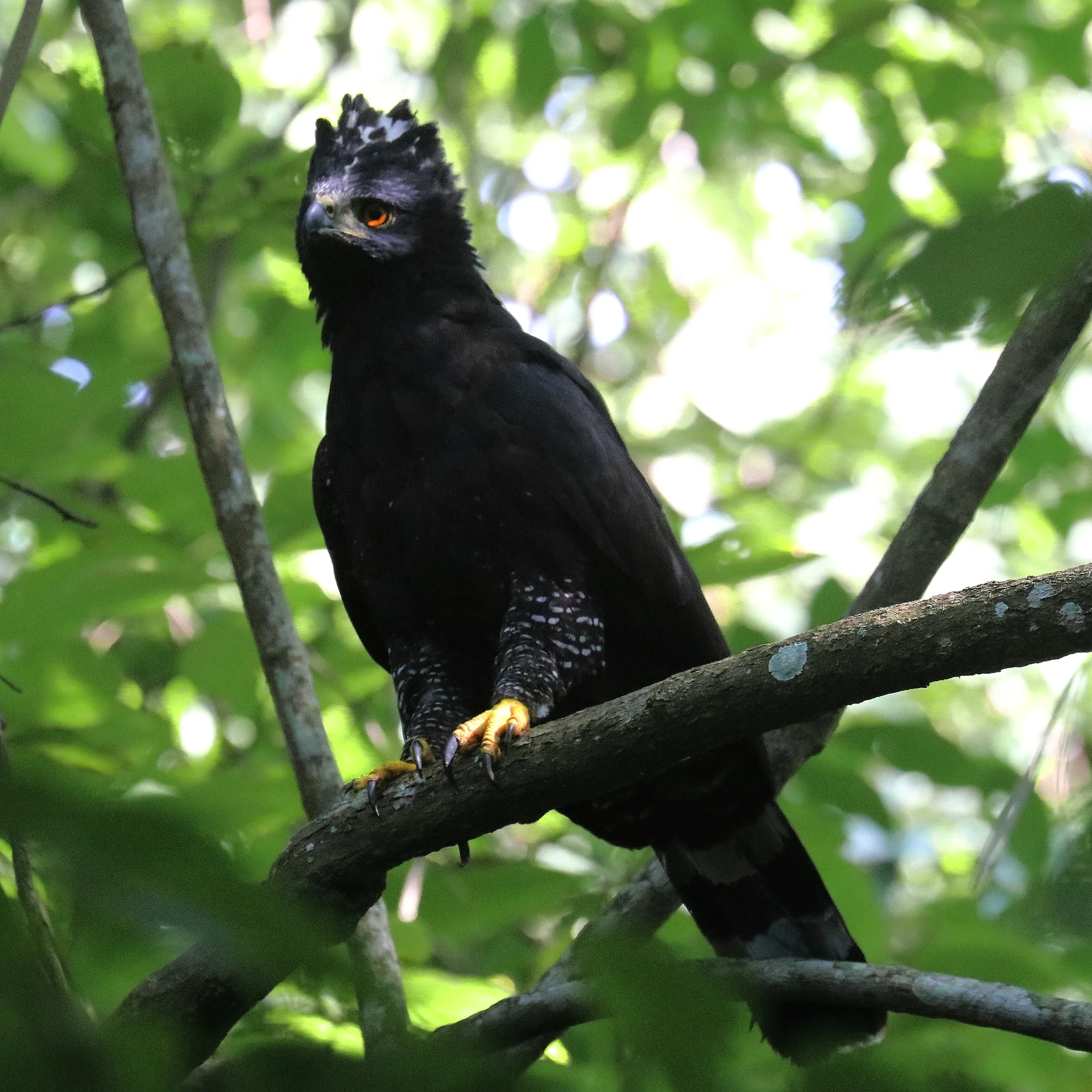
Every monkey in the Atlantic Rainforest spends part of its day looking up. The reason is a family of large forest eagles and hawks — the crowned royalty of the canopy — and chief among them in the forests of Rio de Janeiro State is the black hawk-eagle, the gavião-pega-macaco, the "monkey-catching hawk".
The name is not poetic licence. This is a powerful, crested raptor of deep forest that specialises in exactly what our forests have most of: monkeys, squirrels, and birds the size of chickens. You will usually meet it as a silhouette first — broad wings, long tail, riding a thermal above a ridge — and then, if you are lucky, at eye level on a low perch, crest raised, regarding the forest with the calm of something that fears nothing in it.
Its cousins add to the cast: the ornate hawk-eagle in the taller forests, the laughing falcon calling at dusk, bat falcons stooping over the wetlands at REGUA, and roadside hawks keeping the verges honest. Raptor diversity is one of the quiet measures of a forest’s health — they need everything below them in the food chain to be working — and by that measure, the Living Corridor is doing well.
Birdwatching tours in this part of Brazil often treat raptors as interludes between the jewel-birds. We think of them differently: as the canopy’s guarantee. Where the great hawks still hunt, the forest beneath them is still whole.
✦ Sources & further reading
- Cornell Lab of Ornithology — Birds of the World — the leading scientific reference for the raptor species described here · birdsoftheworld.org
- IUCN Red List of Threatened Species — conservation status of the crowned eagle and other Atlantic Forest raptors · www.iucnredlist.org