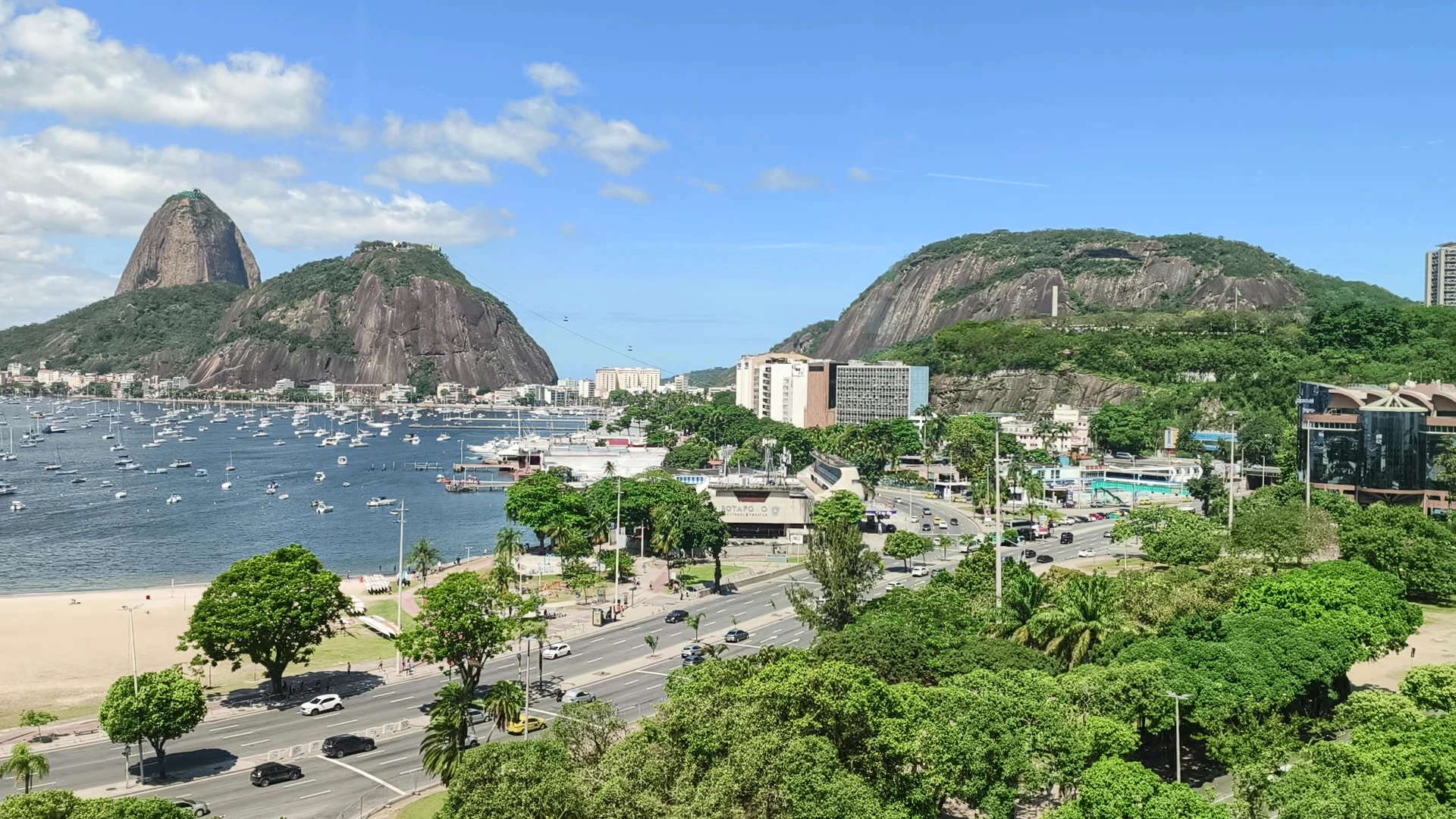
Every year, millions of visitors fly into Rio de Janeiro, climb Corcovado, ride the Sugarloaf cable car, and leave believing they have seen the city’s nature. They have seen the frame. The picture is the forest those mountains are made of — and almost nobody goes in.
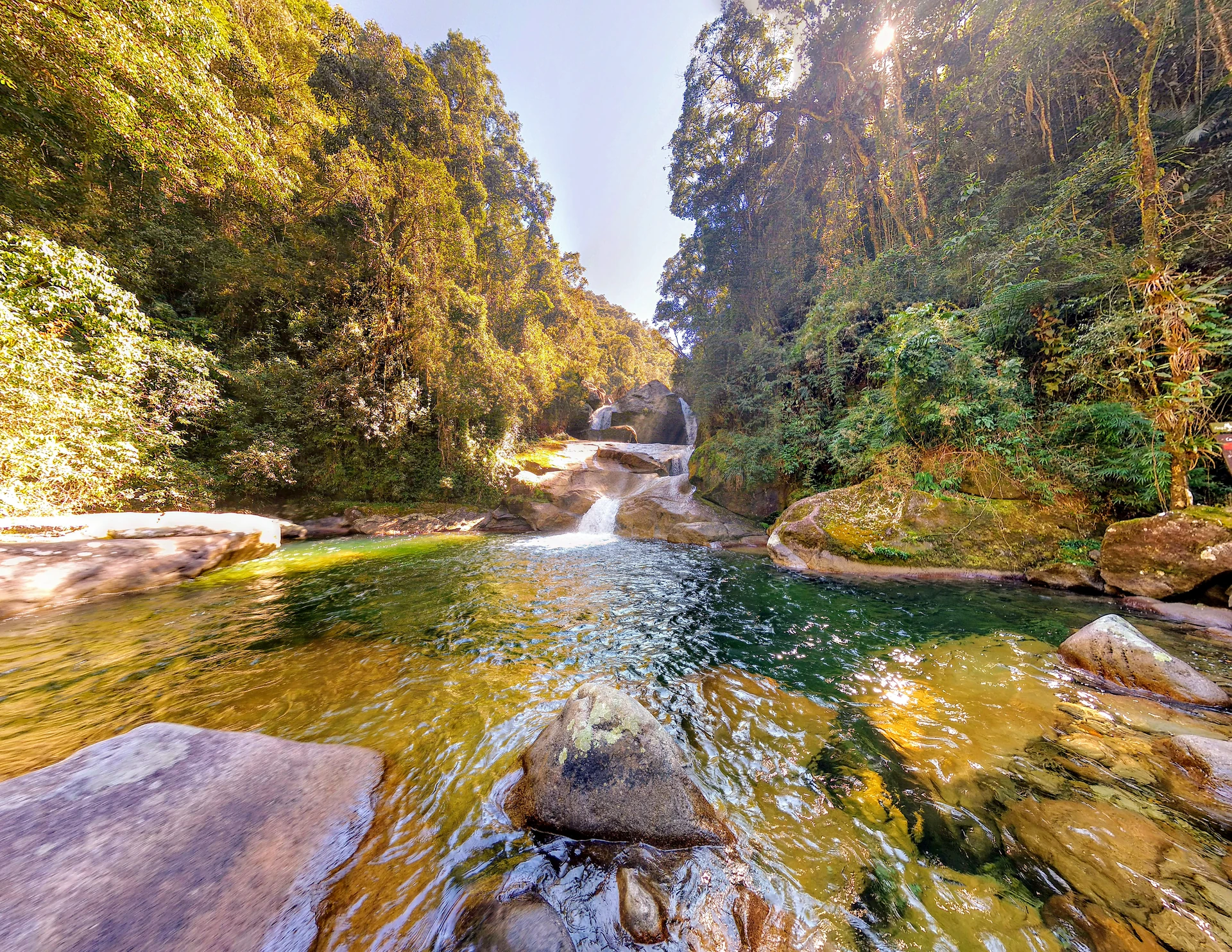
Rio is a metropolis with a rainforest inside its borders: Tijuca, one of the largest urban forests in the world, replanted by hand in the nineteenth century after the hills were stripped for coffee. Capuchin monkeys raid the picnic spots, toucans cross the road above the traffic, and ten minutes from the lagoon you can stand in a cathedral of jackfruit trees listening to things you cannot name.
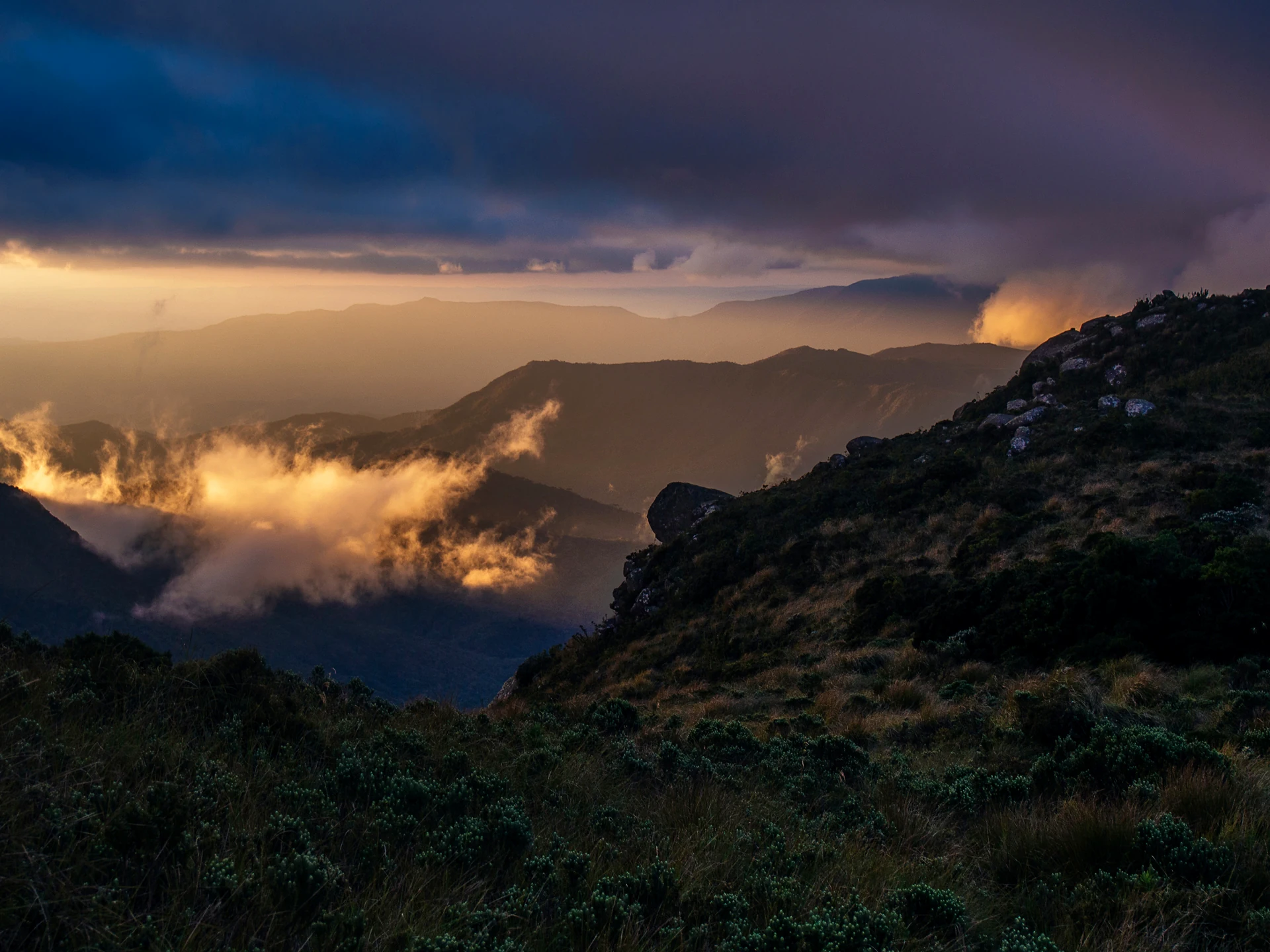
But Tijuca is only the portal. Two hours inland, the lowland reserves of Silva Jardim hold the entire wild population of the golden lion tamarin. Three hours away, the restored wetlands of REGUA are becoming one of South America’s great birding stages. Four hours up, the Atlantic Rainforest climbs into the cloud forests of Itatiaia.
The arithmetic is almost absurd: breakfast on Ipanema, wild golden monkeys before lunch. Most Rio visitors never learn this. The ones who do tend to describe it, later, as the day that reorganised their understanding of Brazil.
Walk this story
This note was written on the trails of
The Golden Lion Encounter.
✦ Sources & further reading
REGUA is one of the forests our journeys visit, and we have worked alongside its team for years.
- World Land Trust — Atlantic Forest, Brazil — data on the biome's extent and remaining cover · www.worldlandtrust.org/project/atlantic-forest
- Reserva Ecológica de Guapiaçu (REGUA) — a protected reserve in the Guapiaçu valley, less than two hours from Rio — the landscape this article describes · regua.org